 Fadhili William | Official Website



 Fadhili William | Official Website
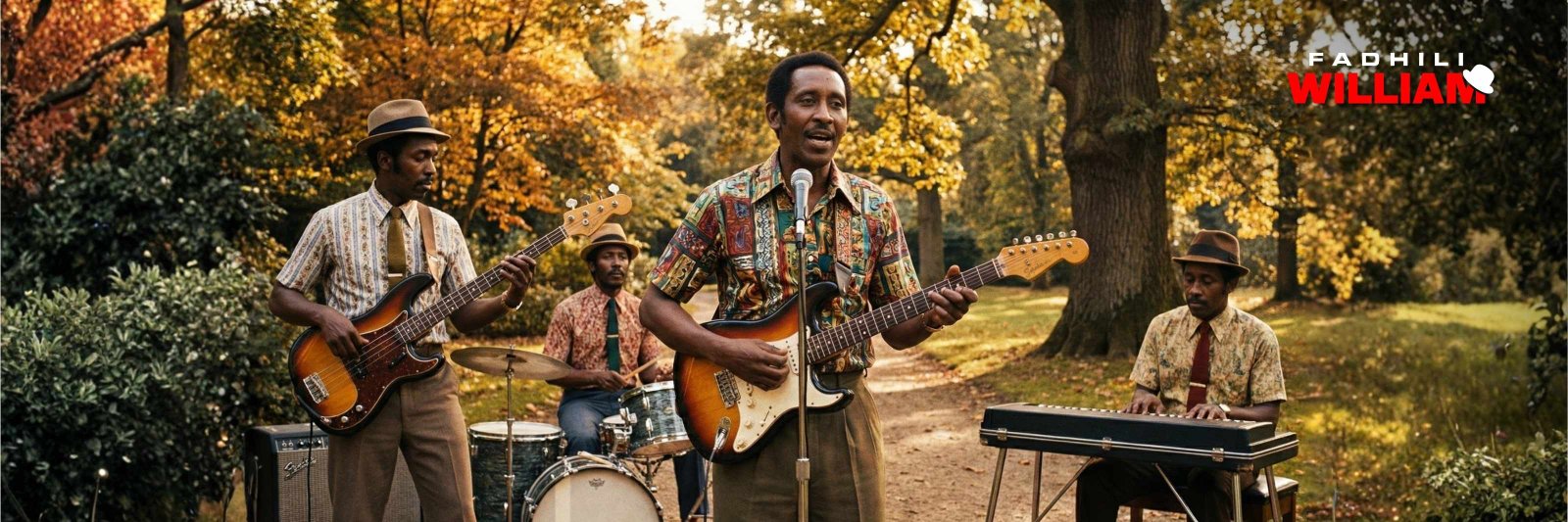

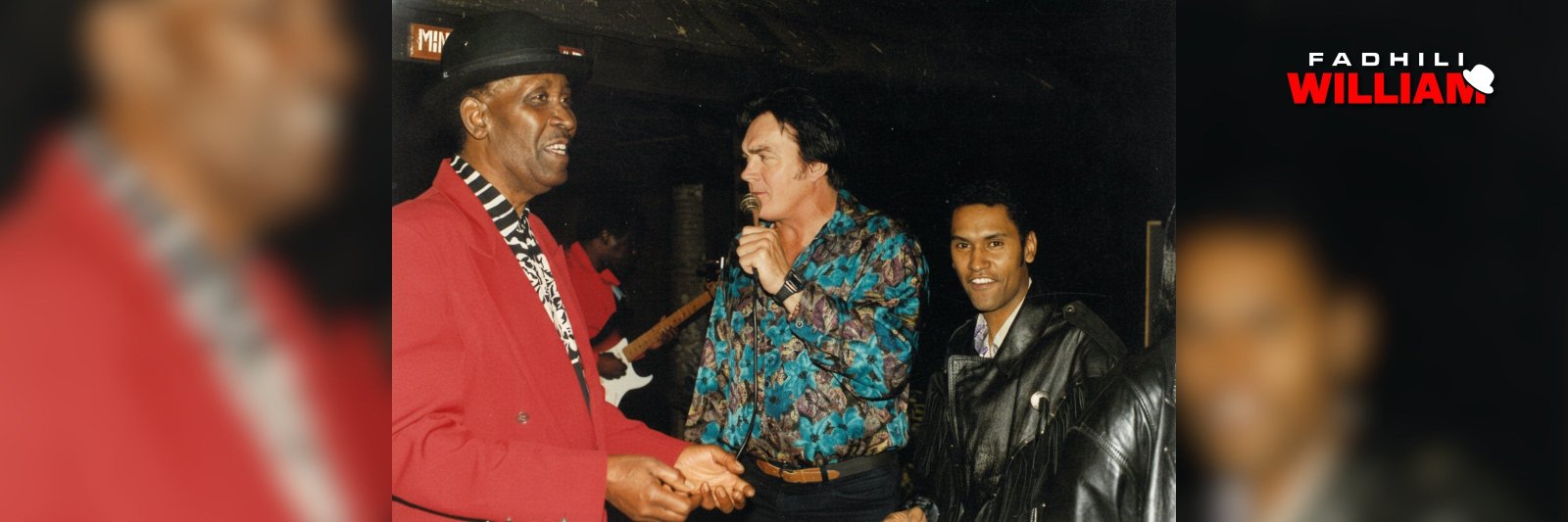
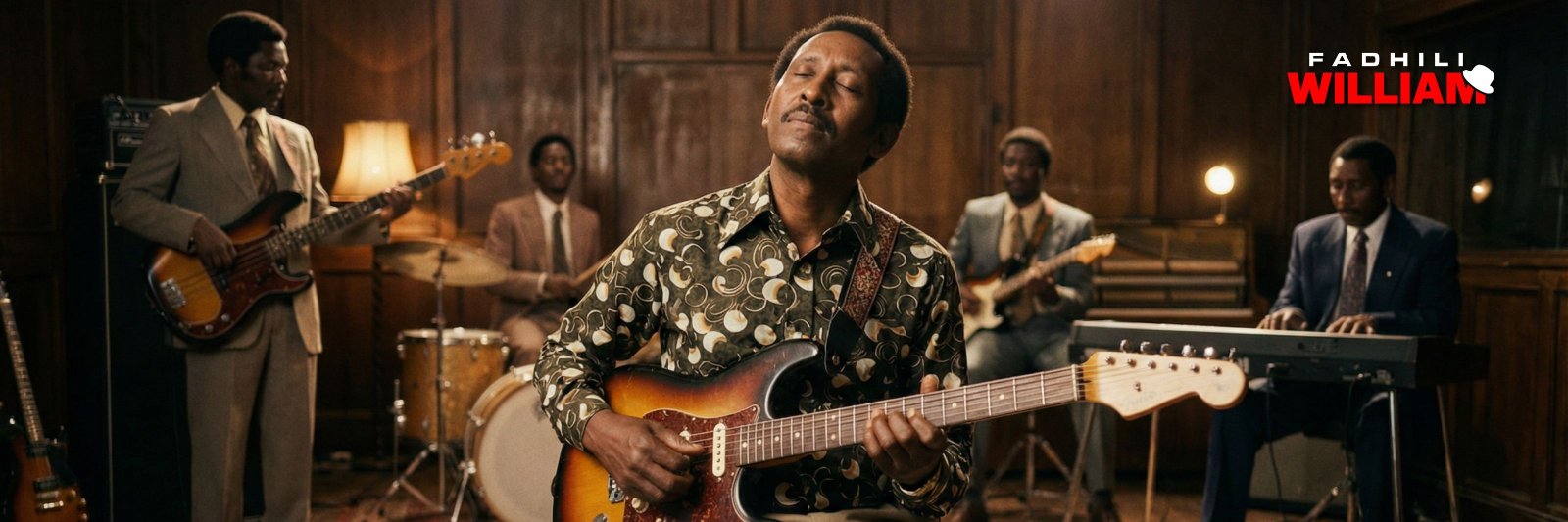
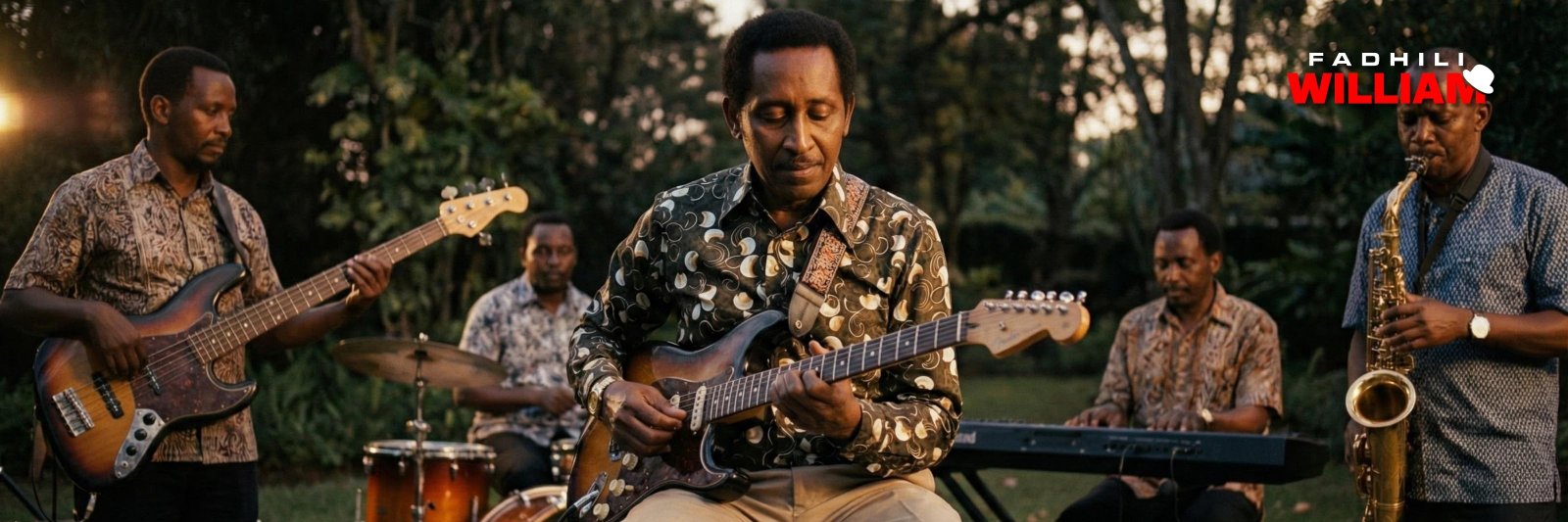



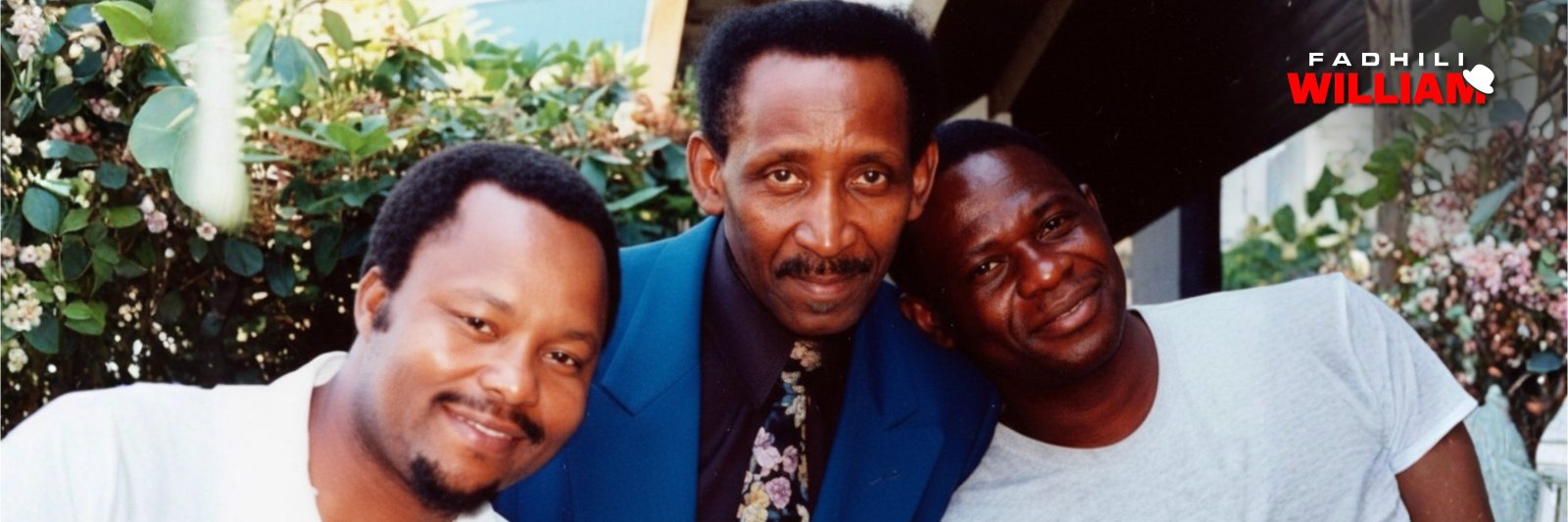
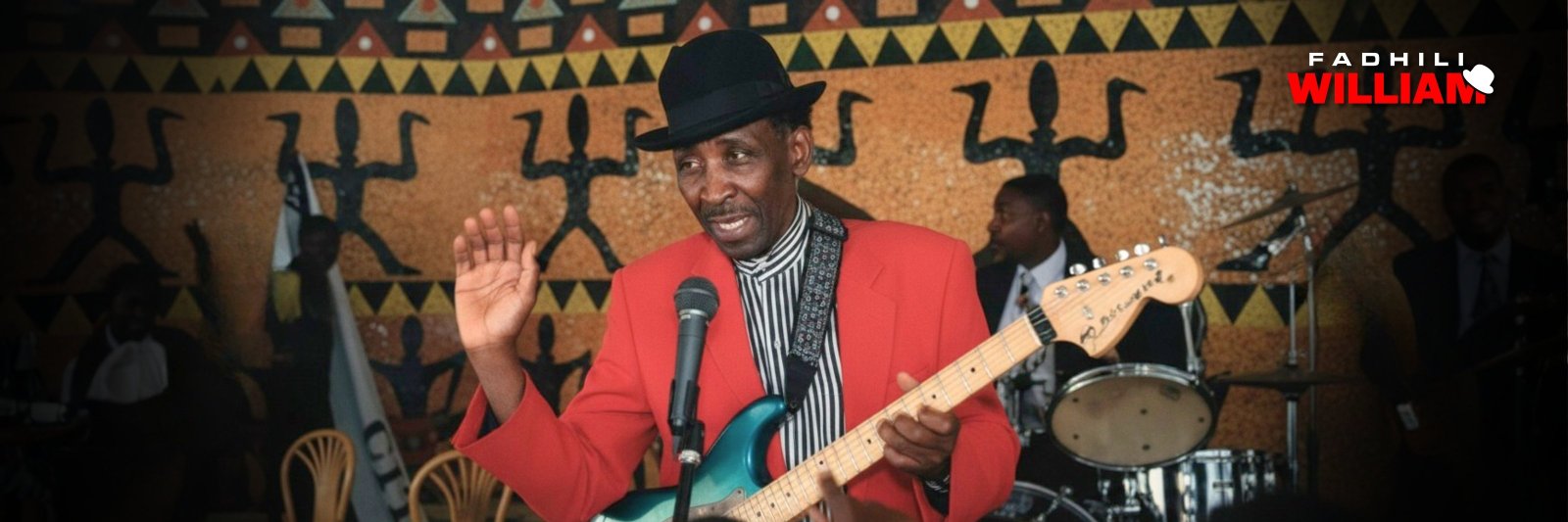
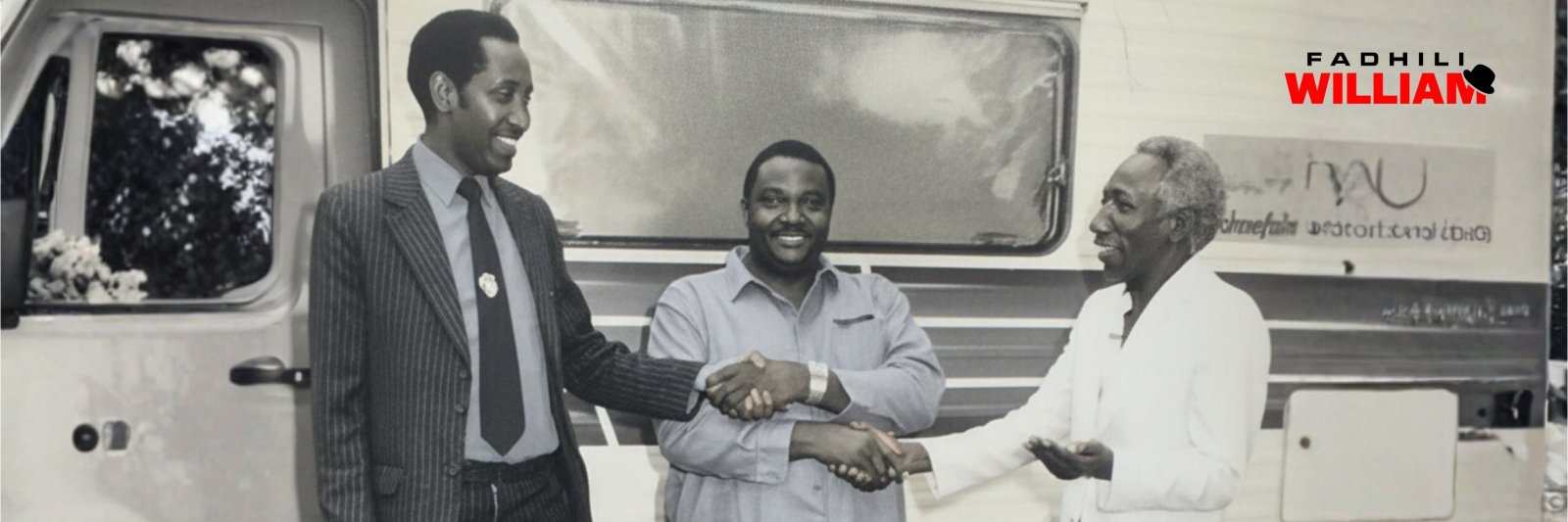
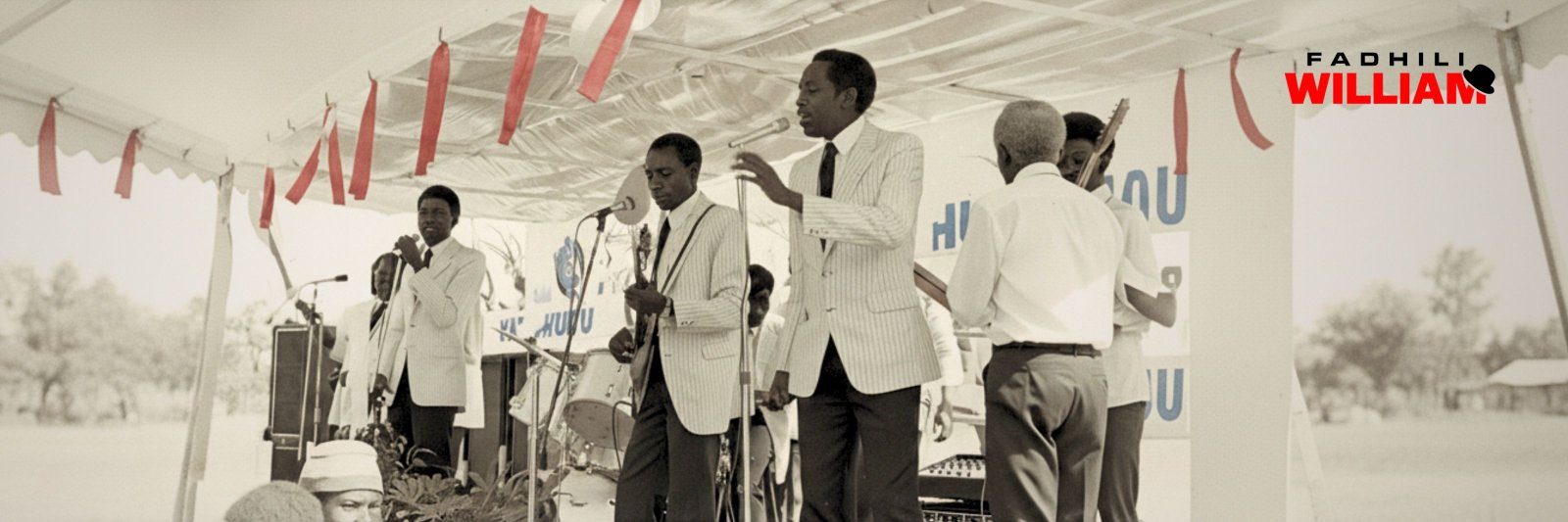
Fadhili William Mdawida (1938–2001) stands as one of Kenya’s most treasured musical legends and a defining voice of East Africa’s golden era of classics, known today as Zilizopendwa. He is most celebrated as the first artist to professionally record the timeless ballad “Malaika”—a song that has since become one of Africa’s most beloved compositions and an enduring cultural masterpiece. With his emotive voice, poetic storytelling, and deep connection to Kenyan tradition, Fadhili William’s influence continues to resonate across generations.
Born in Taita-Taveta District near Mombasa to Halima Wughanga and Ramadhan Mwamburi, Fadhili came from a family grounded in music—his father was a traditional musician, and several of his siblings also pursued music. From an early age, he displayed an exceptional gift for singing and composition. He began performing while still in primary school before moving to the Government African School in Pumwani, Nairobi. He later left secondary school to fully embrace his musical calling.
Fadhili William’s breakthrough came in the early 1960s when he recorded “Malaika” with his band, The Jambo Boys, at the renowned Equator Sound Studios under the guidance of producer Charles Worrod. Inspired by a girl he loved—an “angel” who was given away to an older suitor—Malaika captured themes of love, heartbreak, longing, and vulnerability. Its emotional depth and universal appeal propelled it across Kenya, East Africa, and eventually the world. The song has been covered by international icons including Miriam Makeba, Harry Belafonte, and Boney M., yet it is Fadhili William’s original voice that remains the most haunting and authentic.
Beyond Malaika, Fadhili authored and recorded several classics that shaped Kenya’s musical identity—most notably “Taxi Driver”, a heartfelt narrative based on his real journey trying to travel to Nakuru to keep a promise to a woman who had written to him. His soulful blend of romance, storytelling, and lived experience made him one of the earliest architects of Kenya’s Zilizopendwa sound.
Throughout his career, Fadhili William worked with established bands, musicians, and producers who were instrumental in the rise of Kenya’s studio era in the 1960s. His music tackled themes of love, resilience, longing, and everyday life, earning him admiration across social classes and communities. His recordings have been preserved on major platforms including YouTube, Spotify, Last.fm, Volt.fm, and Smubu Africa, ensuring his legacy reaches new audiences around the world.
Celebrated by cultural archives such as Paukwa Stories, Kenyan media, and generations of music historians, Fadhili William is widely regarded as one of the founding fathers of Kenyan musical heritage. Though he passed away on February 11, 2001, his voice lives on—especially through Malaika, a song that remains one of Africa’s most emotionally powerful and enduring musical treasures.