 Fadhili William | Official Website



 Fadhili William | Official Website





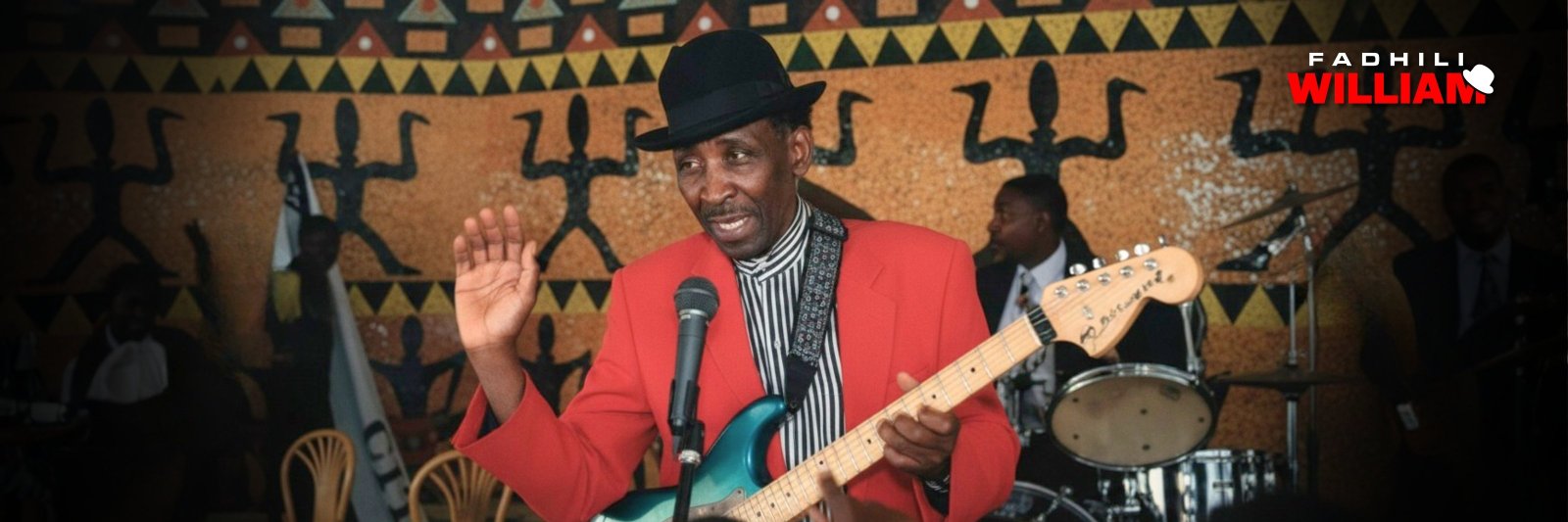
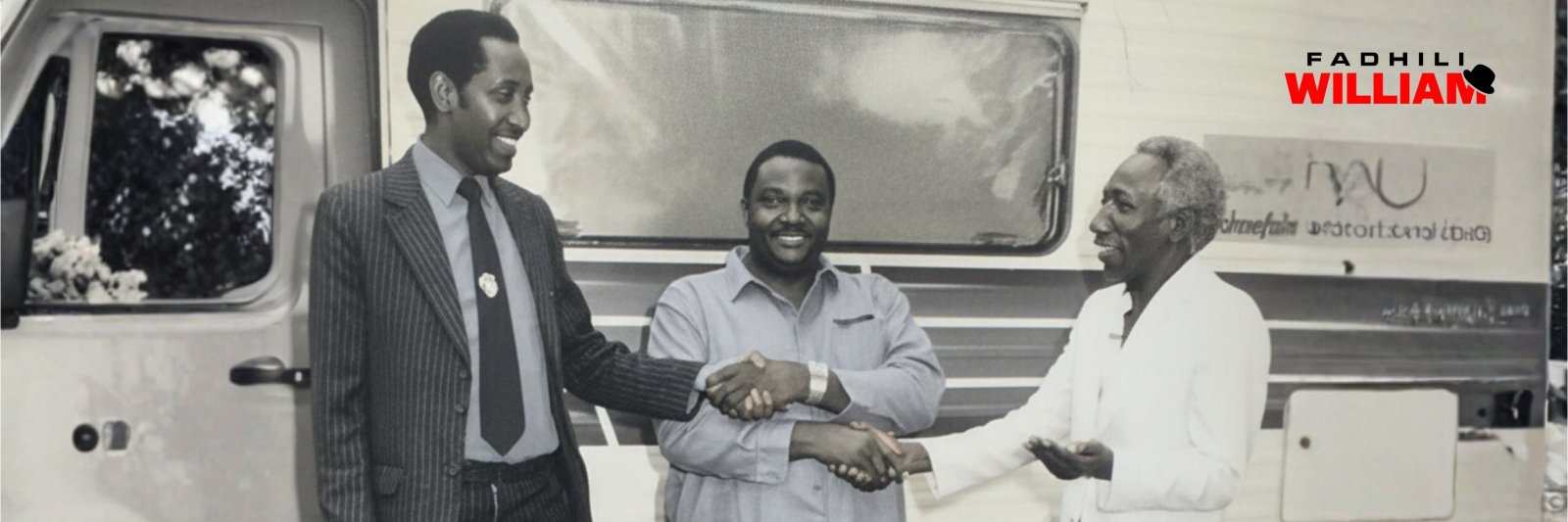
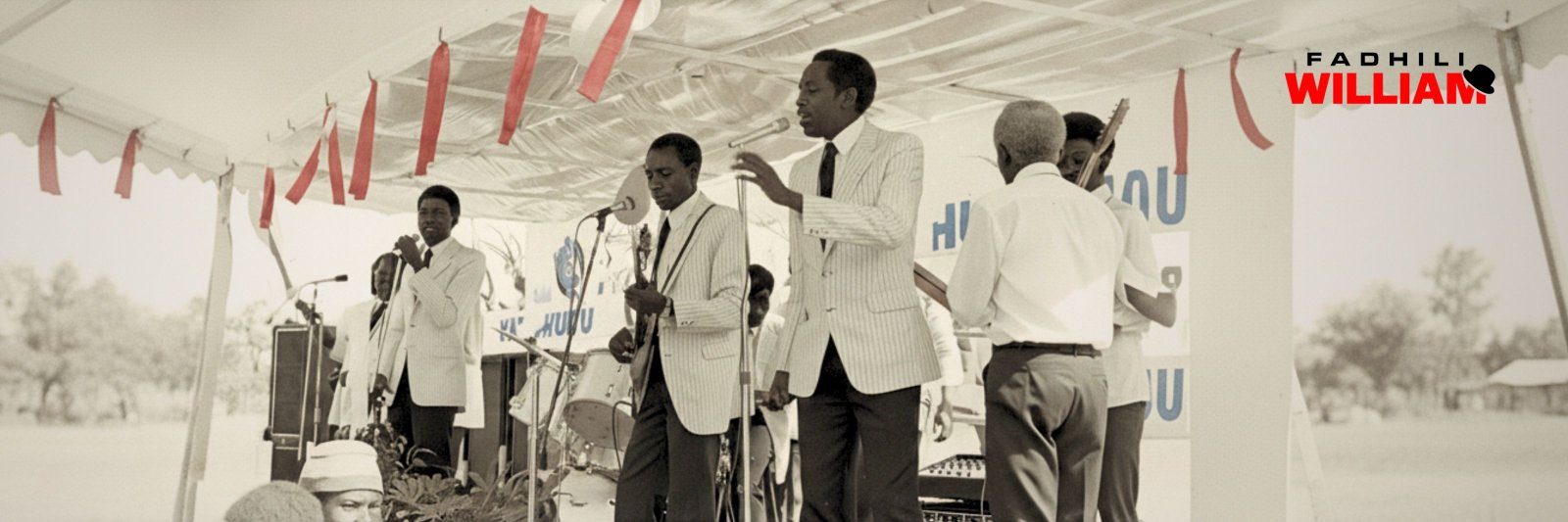

Few songs from East Africa have achieved true immortality. “Malaika,” written and first recorded by Fadhili William, is one of those rare works that transcended borders, languages, and generations. Often described as the most beautiful love song ever to emerge from Kenya, “Malaika” continues to stir hearts more than half a century after its creation. It is gentle, poetic, and emotionally raw — a masterpiece built on simplicity and sincerity.
At its core, “Malaika” is a song about love constrained by circumstance. The famous opening line, “Malaika, nakupenda Malaika,” is instantly recognizable to millions across Africa and beyond. “Malaika,” meaning “angel” in Swahili, sets the tone for a song that combines tenderness with longing. Fadhili William’s delivery — soft, heartfelt, and restrained — gives the ballad its enduring emotional power. He was not merely performing; he was confessing.
Although several versions of the origin story exist, the most widely accepted narrative credits Fadhili William, a young Kenyan musician in the late 1950s, with composing and recording the song. This was a period of intense cultural expression in East Africa, as artists experimented with new forms of Swahili popular music. Against this backdrop, “Malaika” emerged not as a dance track or a festive number, but as a ballad — intimate, lyrical, and deeply personal.
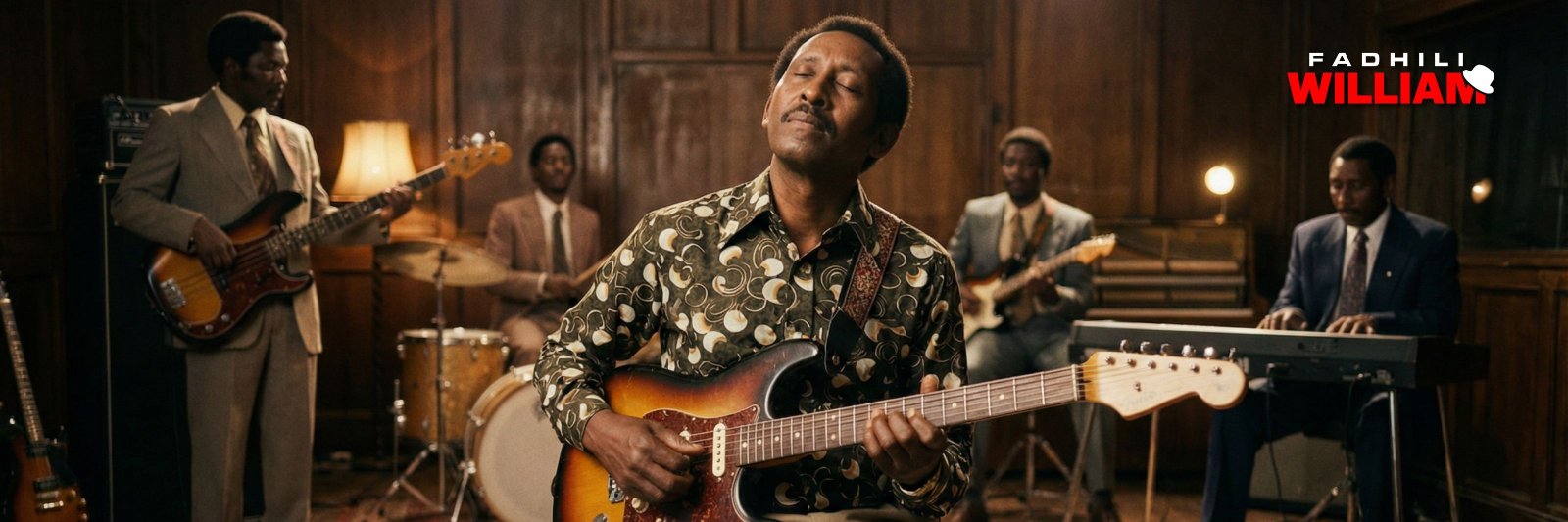
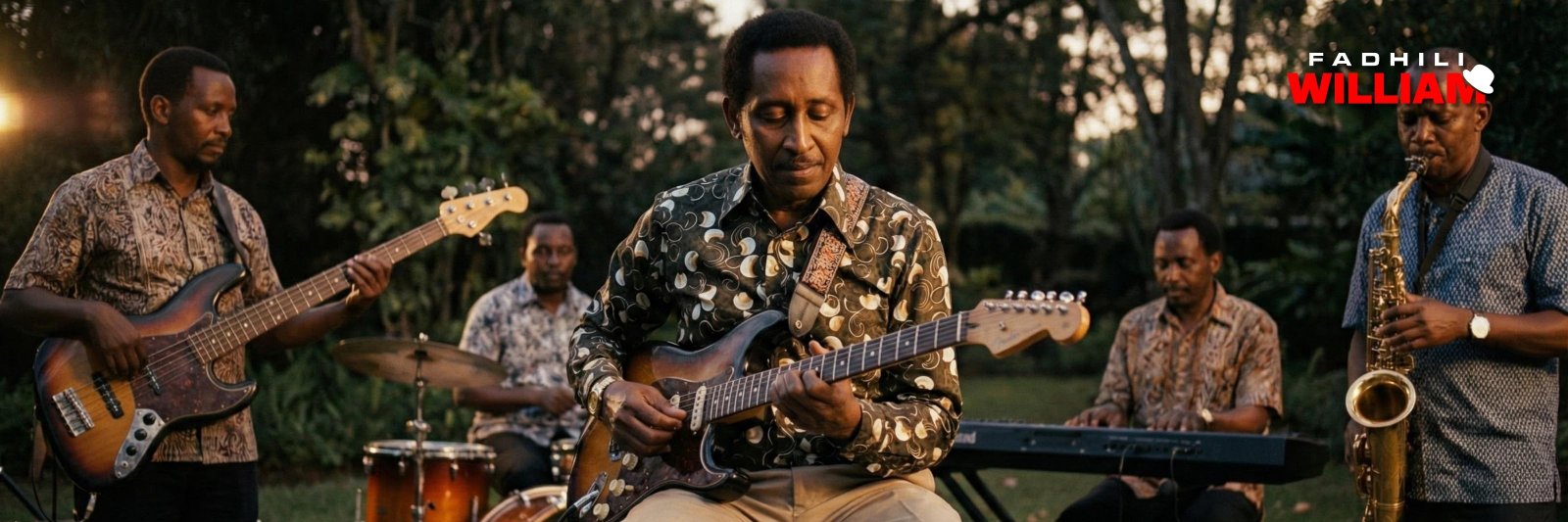
Musically, “Malaika” is built on understated beauty. Its melodic structure is simple, allowing the listener to focus on the emotion in the lyrics. The arrangement is sparse: a delicate guitar line, a gentle rhythm, and Fadhili William’s warm, pleading voice. The power of the song lies not in its complexity, but in its purity. It speaks directly, without embellishment. That honesty is the reason it has remained relevant for decades.
What makes “Malaika” extraordinary is not only its beauty, but how far it traveled. In the 1960s and 1970s, the song reached audiences around the world through performances and recordings by major international artists. Miriam Makeba, the celebrated South African singer and global civil rights icon, brought the song to international stages and embraced it as part of her repertoire. Her version introduced “Malaika” to Europe, North America, and the global folk scene, helping cement its status as an African classic.
Other artists, including Harry Belafonte and Boney M, later created their own renditions. Yet, at the heart of all these covers remained the emotional spirit of Fadhili William’s original — the longing, the tenderness, and the story of a love hindered by financial barriers (“Pesa siyo kitu dada, nina mali nafsi tu”). Even when interpreted by Western arrangers or performed in new styles, the soul of the song never changed.
“Malaika” remains one of Africa’s most recognizable love songs because it speaks to something universal. It captures the vulnerability of love, the pain of longing, and the poetic beauty of affection expressed through simple words. For many listeners, the song evokes nostalgia — for youth, for romance, for a time when Swahili ballads carried the emotional weight of an entire generation.
Fadhili William’s creation is more than a Kenyan masterpiece; it is a continental treasure. Its melody lingers in the mind, its lyrics resonate across cultures, and its story has traveled across oceans. Decades later, “Malaika” continues to be performed, covered, and cherished — a timeless ode to love that remains as haunting and beautiful as the day it was first sung.